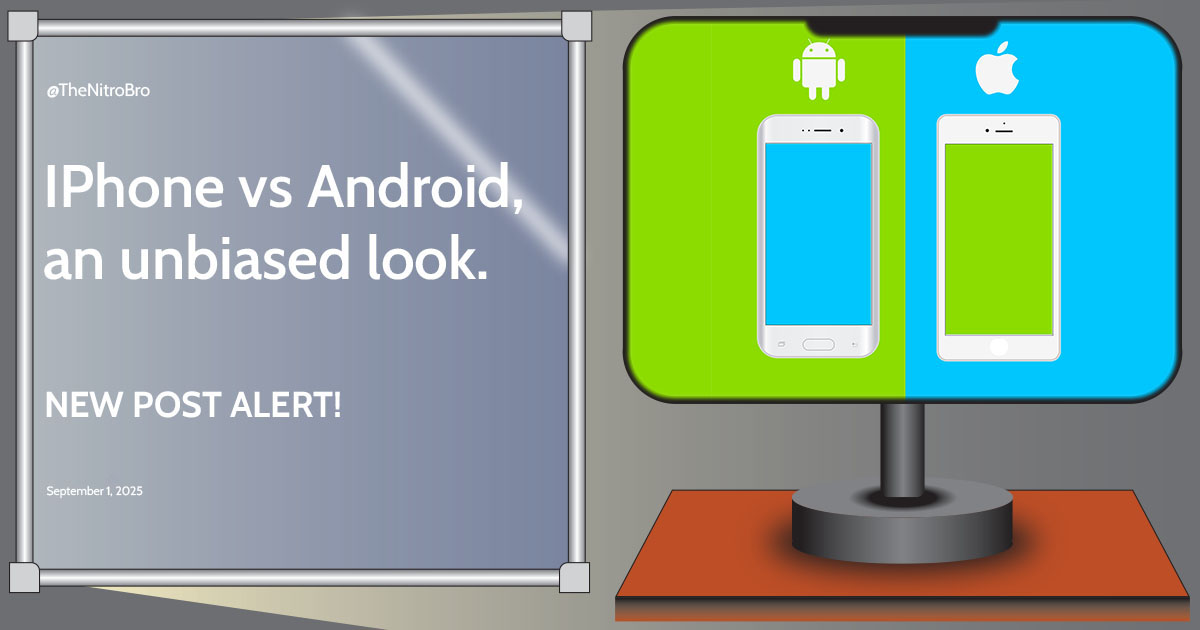
After years of being a loyal Samsung Note user, I finally made the switch from Android to iPhone. It wasn’t a decision I made lightly, I’ve always loved the larger screens, versatility, and customization options that Android phones (especially the Note series) offer. So you might be wondering: why the change?
Let’s start with Android. The freedom it gives is unmatched. I’ve always appreciated the ability to customize widgets, arrange apps how I want (without cluttering the home screen), and the flexibility that comes with file sharing and media handling. One of my favorite features was the microSD card slot—it made storing and transferring media so much easier. But recently, Android manufacturers (including Samsung) have phased it out, which was a frustrating move.
That wasn’t the only thing that pushed me away, but it was part of it. Over time, I found Android’s openness to be both a strength and a weakness. Customization is great, but it often comes with inconsistencies and, occasionally, less app stability.
Enter the iPhone. While it’s far less customizable, the iPhone offers a simpler, more stable experience. The user interface is clean and easy to use, and over the years, Apple has introduced small improvements to customization—though it still doesn’t match Android’s level.
However, the thing that really impressed me is the synchronization between Apple devices. I use both Mac and PC regularly, but Apple’s operating system just works. Whether it’s iMessage syncing across devices or sharing files via AirDrop, it’s all instantaneous and smooth in a way that Android (especially when mixing other platforms) hasn’t optimized.
So where do I stand now? Honestly, somewhere in the middle. I’m not fully Team Apple, but I also don’t regret the switch. Android gives you freedom, flexibility, and customization—but it can be more complicated and less stable. iOS, on the other hand, is polished, easy to use, and better optimized—but it comes with limitations and works best when you’re fully in Apple’s ecosystem.
Both have their pros and cons, it really depends on what matters most to you as a user.



 The Nitro Bro
Leave a comment